
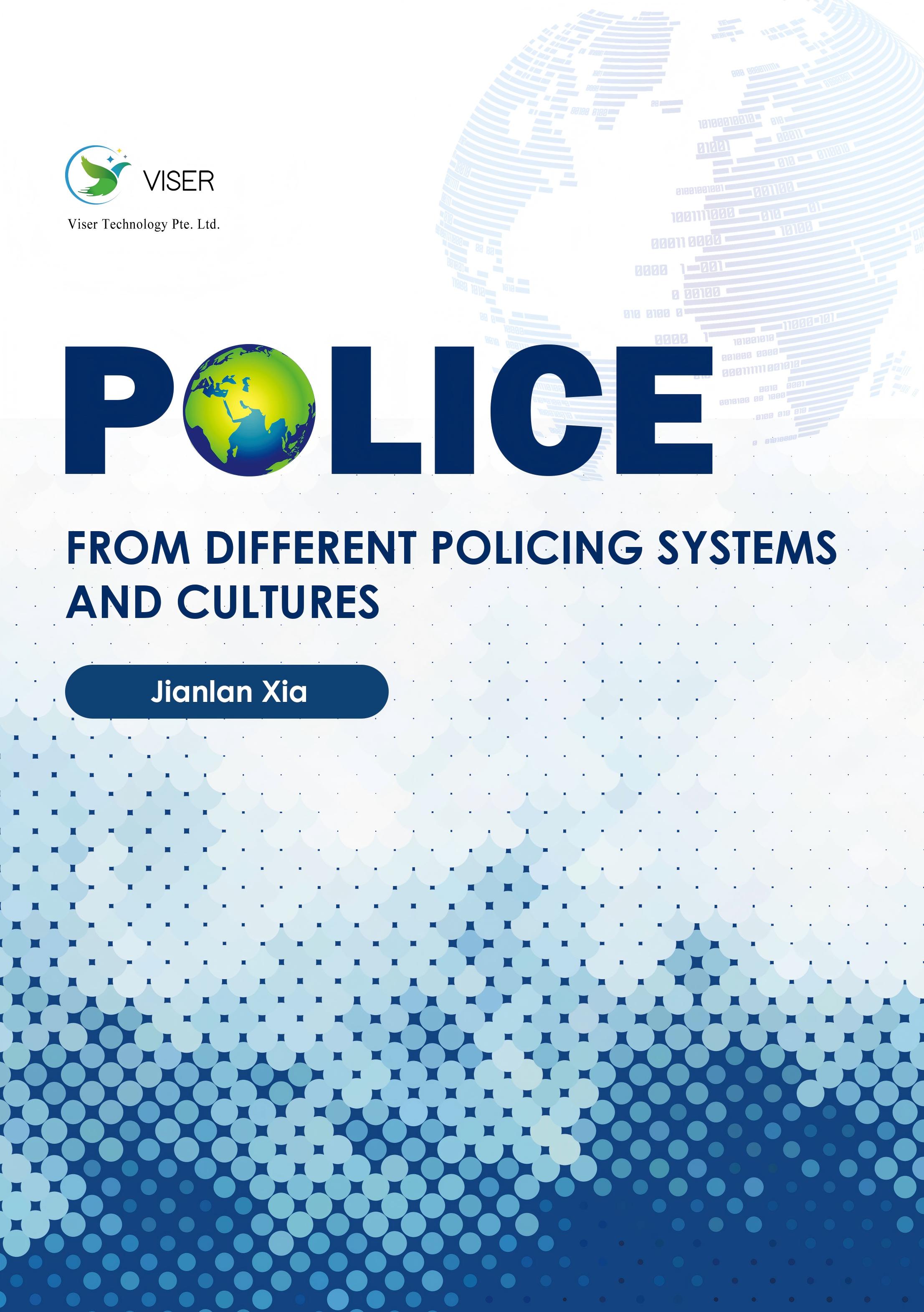
Police from Different Policing Systems and Cultures
内容简介
While weighing the options of a centralized, decentralized, or half-centralized policing system, police forces also swing between policing styles of legalistic and service, reactive and proactive. Culturalvalues play a role therein. Police from Different Policing Systems and Cultureswill take you on a voyage to discover how different policing systems and cultural values are impacting the professionalism, accountability, and legitimacy of police forces, what public security issues are inflicting people somewhere in the world, and what unprecedented challenges police forces are facing. It also explores the linkage between culture and policing in the hope of contributing to a better understanding of different policing systems and cultures worldwide.
作者简介

Jianlan Xia
Jianlan Xia is a lecturer in Foreign-related Policing and a researcher at the Area and International Studies Research Center ofthe Beijing Police College.
She specializes in applied linguistics, cross-cultural communication, international police cooperation, and police translation and interpreting studies.
目录
Chapter One An Introduction to the Police of the USA / 1
1. A historical overview / 1
2. Federal-level law enforcement agencies / 2
3. State-level law enforcement agencies / 4
4. County-level sheriffs‟ departments or offices, constables and county police / 5
5. Municipal, city and local police / 6
6. Special district police / 7
7. Decentralization / 7
Chapter Two American Style of Policing / 12
1. The four policing eras and modernization of the US police / 12
2. Watchman, legalistic and service / 14
3. Reactive or proactive / 15
Chapter Three Over-policing and Under-policing / 18
1. Case study: A woman with mania syndrome / 18
2. Guardian or warrior / 20
3. Racial discrimination / 20
4. Militant style / 21
5. The use of force / 22
6. The use of deadly force / 23
7. Qualified mmunity / 25
Chapter Four Gun Violence in the US / 26
1. High gun ownership rate and easy access to guns / 26
2. Major mass shootings / 27
3. The Second Amendment / 29
4. The Castle Doctrine and the Stand-Your-Ground Law / 29
5. Weak gun laws / 30
6. The pro-gun lobby / 35
7. National Rifle Association (NRA) and divide over guns / 35
8. High violent crime rates and over-and-under-policed areas / 37
9. Racism and gun violence / 38
Chapter Five An Introduction to the Police of Canada / 42
1. Police forces at different levels / 42
2. Different police personnel / 44
3. Peace officers vs. police officers / 46
4. From recruits to sworn officers / 47
5. Canadian police vs. the US police / 48
Chapter Six Drug Policy in Canada / 50
1. Different drug control models / 50
2. Canada: From prohibition to legalization & decriminalization / 52
3. Legalization of cannabis / 53
4. Decriminalization experiment in British Columbia / 58
5. The opioid overdose crisis / 59
6. The international evidence Canada depends on / 62
7. Where is BC‟s drug decriminalization leading to / 64
8. Different voices / 64
9. Culture and drug use / 65
Chapter Seven A Briefing on the British Police History / 70
1. Bow Street Runners / 70
2. Robert Peel and his bobbies / 71
3. Community policing / 72
4. Safer neighborhoods teams / 73
5. Policing by consent / 74
Chapter Eight An Introduction to the Police of the UK / 76
1. Home Office, Scottish Police Authority (SPA) and Northern Ireland Policing Board / 77
2. Territorial police Forces, national police forces, and specialist police forces / 77
3. National Crime Agency (NCA): the British FBI / 79
4. Police Officer, Civilian Staff, PCSO and Special Constable / 80
5. Police ranks, recruitment and promotion / 82
Chapter Nine Football Hooliganism in the UK / 5
1. Football hooligans in the UK / 85
2. Policing games with football hooliganism / 87
3. Mounted police and sniffer dogs / 89
4. Power of Legislation / 90
Chapter Ten Brexit and UK-EU Cooperation in Criminal Justice and Law Enforcement / 94
1. A brief historical overview / 94
2. Referendum and Brexit timeline / 95
3. Brexit — for good or for bad / 95
4. UK-EU Trade and Cooperation Agreement / 98
5. Splendid Isolation and British Exceptionalism / 99
Chapter Eleven Human Rights Safeguards in the UK Extradition System / 102
1. Extradition Arrangements / 102
2. Journalist or not / 104
3. Imbalanced UK-US extradition regime / 105
4. Abolition of the political offense bar / 106
5. A weaker political opinion bar / 112
6. A similarly biased fair trial bar / 113
7. An oppression bar complicated by assurances / 115
8. Reduced executive role and relaxed human rights safeguards / 116
9. Balance between human rights and law enforcement cooperation / 117
Chapter Twelve An Introduction to the Police of France / 121
1. Centralization and decentralization / 121
2. Police Nationale / 123
3. Gendarmerie Nationale / 124
4. General Directorate for Internal Security(DGSI) / 125
5. History, new trends and Police Municipale / 125
6. Public view of the police / 126
Chapter Thirteen A Glimpse of the French Culture / 129
1. Individualistic and liberal / 129
2. Love for artistry / 129
3. Formality or pretentiousness / 130
4. Diversity and stratification / 130
5. Secularism / 131
Chapter Fourteen Terrorist Attacks and the Migration Crisis / 134
1. Charlie Hebdo attack / 134
2. November 2015 Paris attacks / 135
3. French responses to the attacks / 135
4. Europe‟s Migration (Refugee) Crisis in 2015 / 136
5. Why France / 138
Chapter Fifteen Strikes and the Police / 140
1. May 68 Uprising / 141
2. Yellow Vest Protests / 142
3. Criticism of police brutality / 145
4. The ban on filming police / 145
5. Suicide waves of police / 146
Chapter Sixteen An Introduction to the Police of Germany / 148
1. Federal law enforcement agencies / 148
2. State police forces / 149
3. City and town police forces / 151
4. Munich 1972 and counter-terrorism GSG 9 / 151
Chapter Seventeen The Prostitution Industry and Sex Trafficking in Europe / 153
1. Prohibition, abolition and regulationv153
2. Cash cows / 155
3. Sex exploitation and sex trafficking / 155
4. Challenges for law enforcement agencies / 156
Chapter Eighteen A Glimpse of the Russian Culture / 161
1. The double-headed eagle / 161
2. Growth of Russia and its wrestling with the USA / 161
3. Energy and economic relationship / 162
4. Diversity and unity / 163
Chapter Nineteen An Introduction to the Police of Russia / 165
1. Three phases / 165
2. Organizational structure / 166
3. Public opinion of the police / 169
Chapter Twenty Counter-terrorism in Russia / 170
1. Terrorist threats / 171
2. Decree 1167 and reform / 173
3. Counter-terrorism measures for the Sochi Olympics / 173
4. Countering the financing of terrorism / 174
Chapter Twenty-one A Glimpse of the Japanese Culture / 176
1. Crisis mentality and imperialism / 176
2. Economic take-off, recession and recovery / 177
3. The Chrysanthemum and the Sword / 177
Chapter Twenty-two An Introduction to the Police of Japan / 179
1. National-level police structure / 179
2. Prefectural-level police structure / 181
3. Ranks / 181
4. Training / 182
5. Police responsibilities / 182
6. The use of force and criticism / 184
7. Minor crimes and cultural differences / 185
Chapter Twenty-three Community Policing, Kobans and Chuzaishos / 187
1. Kobans in 19th century of Imperial Japan / 187
2. Kobans today / 188
3. Koban officers in foreigners‟ eyes / 188
4. Architecture designs of kobans and affective law enforcement / 189
5. Strengths and problems of Kobans / 191
6. Exportation of the Koban model / 192
Chapter Twenty-four Yakuza and Organized Crime in Japan / 195
1. Yakuza rituals and culture / 195
2. Yakuza syndicate structures / 196
3. Businessmen or not / 197
4. Charity or public relations / 200
5. Organized crime countermeasures / 200
Chapter Twenty-five One of the Safest Countries / 203
1. Homogeneous makeup of Japanese society / 203
2. Restrictive immigration policy / 204
3. Crime prevention and juvenile delinquency prevention / 205
4. Strict gun control laws / 206
5. Economic considerations / 207
6. Culture, philosophy and religion / 207
Chapter Twenty-six Policing and Culture in South Korea / 210
1. Korean National Police Agency / 210
2. Autonomous police force / 211
3. Tourist police force / 212
4. The “Knock Knock” campaign / 212
5. The use of force and under-protected police / 213
6. Collectivism, public attitude and police job satisfaction / 214
Chapter Twenty-seven Itaewon Halloween Crowd Crush / 216
1. The crush and the investigation / 216
2. Stampede and crowd crush / 218
4. Risk of accidents in a moving crowd / 219
5. Crowd management / 220
Chapter Twenty-eight The Rise of Singapore and Its Success in Policing / 222
1. The Rise of Singapore / 222
2. The governance principles / 223
3. East and West / 224
4. Singapore police force / 225
Chapter Twenty-nine Online Scam and Human Trafficking in Southeast Asia / 232
1. The new challenges in Southeast Asia / 232
2. Scams and law enforcement / 235
3. Coordination strategy wanted / 237
Chapter Thirty Progress, limitations and prospects of police interpreting professionalization in China / 240
1. Introduction / 240
2. Literature review / 241
3. Methodology / 243
4. Investigation results about the interpreting accreditation tests / 244
5. Investigation results about police interpreters from different backgrounds / 246
6. Discussion / 249
7. Conclusion / 253
前言
Intercultural communication competence is the ability to communicate effectively and appropriately in various cultural contexts. It has been decades since American anthropologist Edward T. Hall put forward the concept of intercultural communication in his book The Silent Language in 1959. The importance of intercultural competence has been widely recognized, yet only a small proportion of people can confidently handle cross-cultural communication and international cooperation scenarios. Officers policing in multicultural neighborhoods, facilitating international police cooperation, or being dispatched overseas might also find themselves ill-prepared for intercultural conflicts in law enforcement.
Cultural intelligence or cultural quotient (CQ) is a term introduced by London Business School professor P. Christopher Earley and Nanyang Business School professor Soon Ang in their book Cultural Intelligence: Individual Interactions Across Cultures. The development of cultural intelligence, a quality generally neglected in police training, should be integrated into the police training curriculum. Heads of police colleges and universities are calling on police forces worldwide to recognize the importance of training in intercultural communication and multicultural law enforcement to meet the new challenges posed by globalization, increased immigration, and transnational crime growth. In addition to language proficiency and intercultural awareness, a good understanding of the policing systems, policing styles, and policing cultures worldwide would contribute to better international police cooperation.
This book brings about a kaleidoscope overview of policing systems and cultures around the globe. It comprises thirty chapters briefing the readers about police force structures, policing systems, policing styles, and cultural values of ten countries. Though mainly compiled for police officers and law enforcers, the book also explores debated issues such as gun control in the US, cannabis legalization in Canada, Brexit, and Japanese Yakuza, which might enable the readers to probe into policing cultures on a broader scope. The first four chapters focus on the complex US police systems at different jurisdictional levels and the disadvantages of a decentralized policing system, the American style of policing featured frequent use of force, the over-policed and under-policed neighborhoods mingled with racial issues, gun violence and abortion of tighter gun control laws. Chapters five and six are about another Northern American country, Canada. Canadian cities could build their own police force or contract federal or provincial police forces. There has been debate on the pros and cons of a municipal police force and a contracted federal force. Canada is also the most discussed for its legalization of recreational cannabis nationwide and the newly introduced drug decriminalization policy in the province of British Colombia. Chapters seven to eleven are about the UK, the birthplace of the first modern police team. The stories of Sherlock Holmes still fascinate people worldwide after centuries. The UK also has a long history of tackling football hooliganism and has accumulated rich expertise in crowd management and major event policing. The next chapter looks at the hot issue of the approved extradition of Julian Assange from the UK to the US. Chapters twelve to fifteen briefly introduce the centralized French police system, the French cultural values like secularism, the terrorist attacks, the migrant crisis, and the Yellow Vest Strikes. The following two chapters study the police system in Germany, the Munich 1972 massacre, and its prostitution industry, which had led to worse sexual exploitation and human trafficking in the EU. Chapters eighteen to twenty move on to the country that stretches across much of the north of the supercontinent of Eurasia — Russia, elaborating on its culture, police system, terrorist attacks and counter-terrorism measures. The book then spends the following ten chapters on countries in Asia. Japan is an appealing country with its contradictory cultural values symbolized by the Chrysanthemum and Sword, its success in community policing, and its mafia Yakuza. South Korea, deeply affected by Confucianism, owned a unified, centralized police team until the recent reform to include a new autonomous police team. Then, the Itaewon crowd crush is investigated, and crowd management skills are discussed. The next chapter checks out the rise of Singapore and its success as the least corrupt and one of the safest countries in the world. The book then turns its attention to the recent human trafficking and cyber slavery issue in Southeast Asia. After that, the progress, limitations, and prospects of police interpreting in China are discussed.
While the world is increasingly globalized with the development of science and technology, we still suffer from misunderstandings and conflicts caused by language and cultural barriers. This book is expected to fill some information gaps on policing and culture, and facilitate cross-cultural understanding and international police cooperation.
免费获取出版方案
如果您有出版需求,我们将为您提供专业的出版咨询和方案策划
我们承诺对您的信息严格保密
相关推荐

黎明前的心事
Jianlan Xia 著
¥ 79
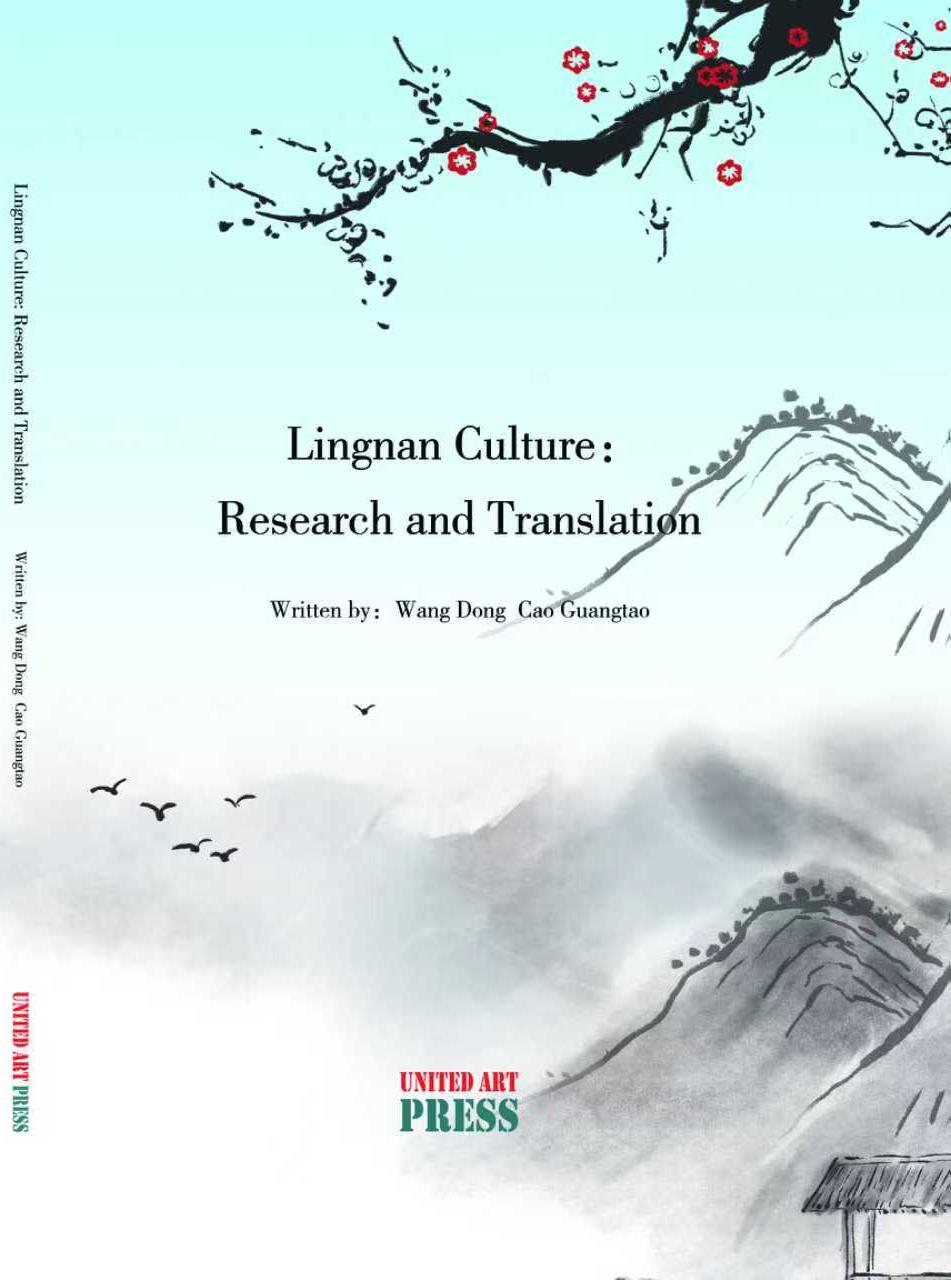
Lingnan Culture: Research and
Jianlan Xia 著
¥ 50

园林景观工程中土木水利技术应用与实践
Jianlan Xia 著
¥ 56

高等职业教育发展战略与产教融合共同体高质量发展路径研究
Jianlan Xia 著
¥ 45
出版流程
提交选题
作者提交选题申请表及样章
选题评审
专家评审选题的学术价值和市场前景
签订合同
双方签订出版合同,明确权利义务
编辑加工
专业编辑进行内容编辑和校对
排版设计
专业设计师进行版式和封面设计
出版发行
完成书号申请、印刷和发行工作
读者评论
基于 128 条评价
最新评论
王小明
这本书对房地产金融的理论和实践进行了系统的阐述,内容丰富,案例详实,对我的工作帮助很大。尤其是REITs部分的内容,讲解深入浅出,非常实用。强烈推荐给从事房地产投资和金融领域的人士阅读。
李小华
作为一名房地产行业的从业者,我认为这本书是近年来关于房地产金融与投资方面最全面、最深入的著作之一。书中不仅有理论分析,还有大量的实际案例,对我们的工作具有很强的指导意义。唯一的遗憾是,书中关于国际市场的内容可以再丰富一些。
张教授
我是一名大学教师,这本书已经被我选为房地产金融课程的参考教材。书中内容深入浅出,结构清晰,非常适合教学使用。学生们反映,通过阅读这本书,他们对房地产金融和投资有了更深入的理解。希望作者能够继续更新,加入更多最新的市场动态和案例。
订阅新书提醒
第一时间获取房地产金融领域最新出版信息和优惠活动